Blog
Notes on making voice sound great
Practical guides on SSML, voice cloning, voice UX, and audio mastering — written by the team building Voice Production AI.

Writing scripts your AI voice will actually nail
Great synthetic narration starts long before you press generate. A practical, example-driven guide to writing scripts for the ear — structure, rhythm, pronunciation, and the SSML that ties it all together.
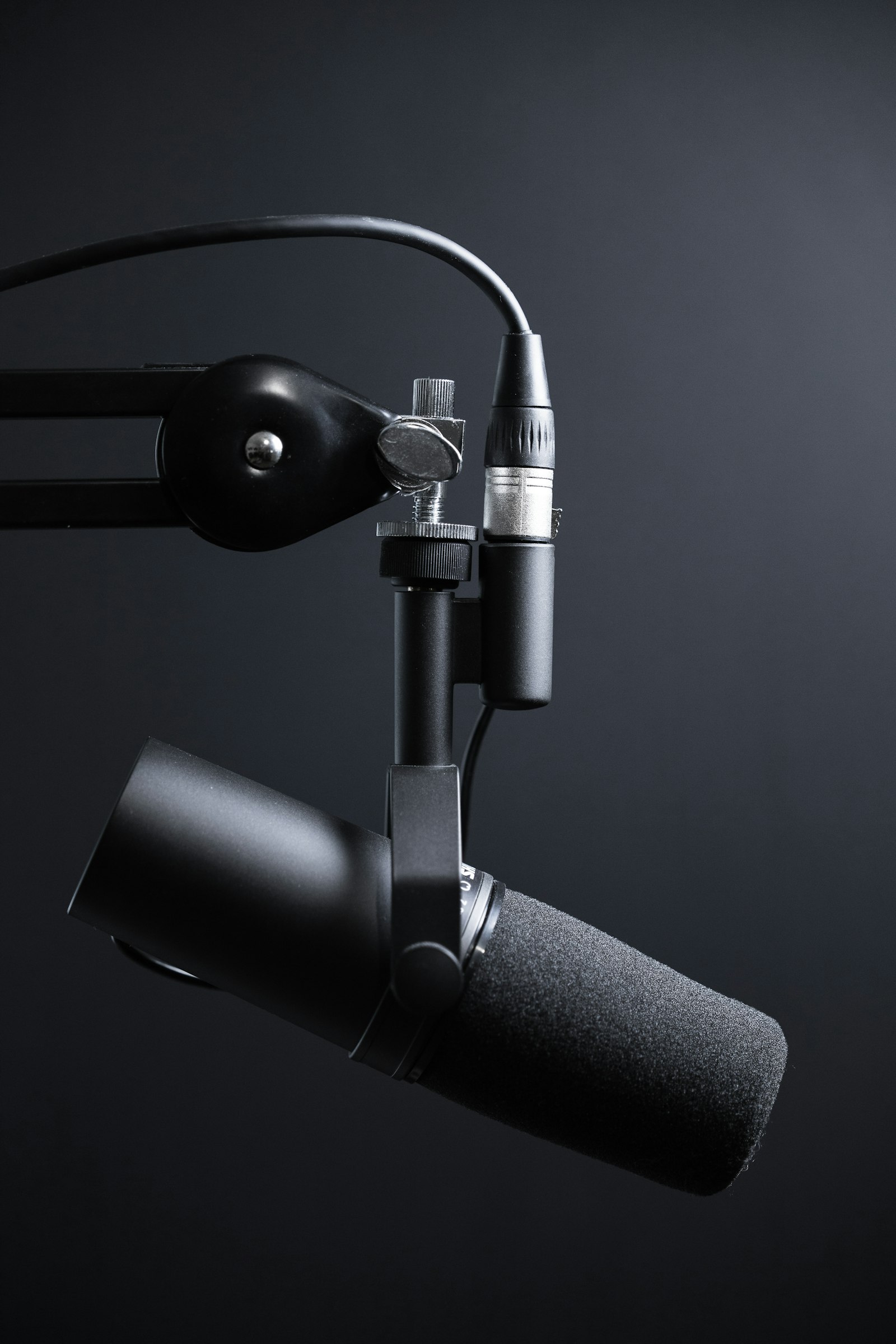
Voice cloning done right: consent, fidelity, and brand consistency
Voice cloning is one of the most powerful — and most misunderstood — tools in modern audio production. Here is how to use it responsibly: getting consent right, capturing a faithful clone, and keeping a brand voice consistent for years.

From script to broadcast: an AI audio pipeline that scales
Generating one voiceover is easy. Producing hundreds of consistent, broadcast-ready files across languages — without a team of audio engineers — is a pipeline problem. Here is how to design one that holds up at scale.

How to choose the right AI voice for your brief
With hundreds of voices across dozens of languages, picking one is no longer about availability — it is about casting. A practical framework for matching tone, accent, energy, and medium to the job in front of you.

AI voiceover for e-learning: produce courses faster without losing quality
Course narration is the classic bottleneck in e-learning: slow to record, painful to update, and expensive to localize. Here is how AI voice changes the economics — and how to keep the learning experience high while you scale.
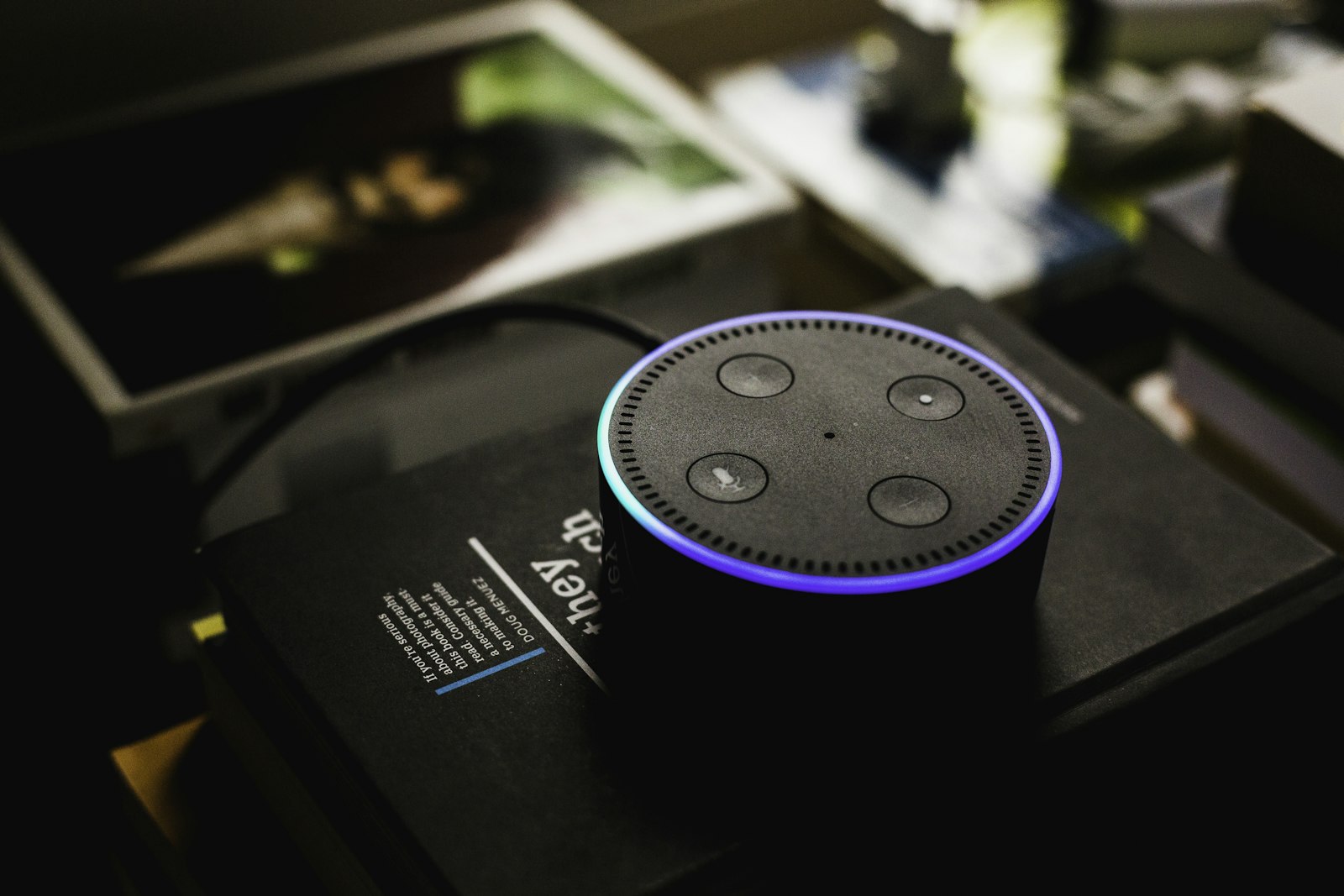
Designing voice for product interfaces
Adding voice to a product is not the same as making a voiceover. It is interaction design with sound — latency, tone, fallbacks, accessibility, and localization all become first-class concerns. A field guide for teams shipping spoken audio inside their product.