Voice cloning done right: consent, fidelity, and brand consistency
Voice cloning is one of the most powerful — and most misunderstood — tools in modern audio production. Here is how to use it responsibly: getting consent right, capturing a faithful clone, and keeping a brand voice consistent for years.
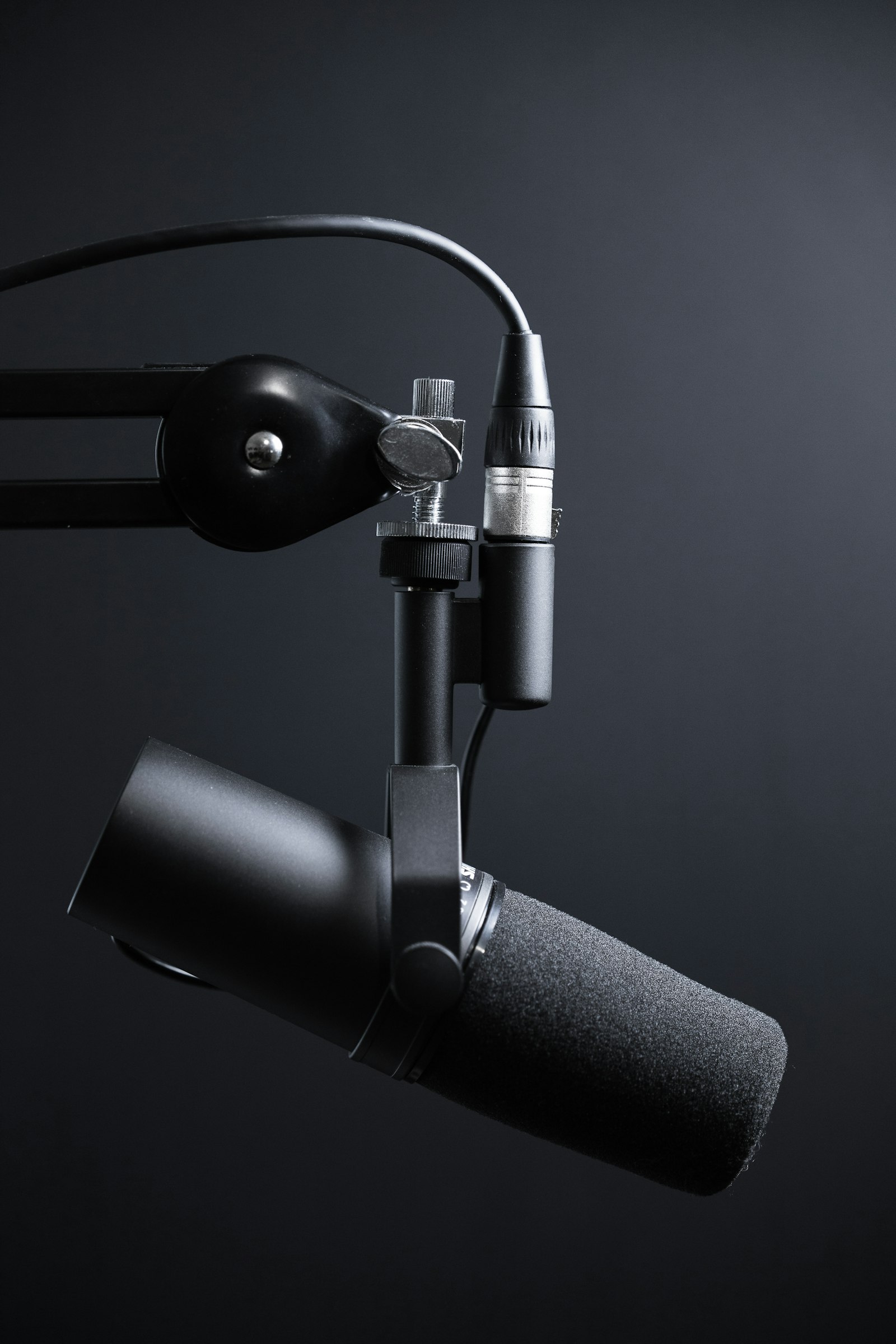
Voice cloning has a reputation problem, and not without reason. The same technology that lets a brand keep its spokesperson available around the clock is the one behind the scam calls and deepfakes that make headlines. That tension is exactly why it deserves a careful, honest treatment rather than either breathless hype or blanket fear. Used responsibly, cloning is a genuinely transformative production tool. Used carelessly, it is a liability. The difference is almost entirely in how you set it up — and the good news is that doing it right is not complicated, it is just deliberate.
This article is about that deliberate version: how to think about consent as the foundation rather than the fine print, what actually makes a clone sound faithful, when cloning is the right call versus a preset voice, and how to keep a cloned brand voice consistent across years of content. By the end you should have a practical workflow you can defend to your legal team, your talent, and your own conscience.
Consent is the foundation, not a checkbox
Start here, because nothing else matters if you get this wrong. Cloning a voice you do not have explicit, informed permission to use is not a gray area and not a clever shortcut — it is a harm, and increasingly a legal one as jurisdictions pass likeness and voice-rights laws. The person whose voice you clone should understand what they are agreeing to: that a model will be able to generate new speech in their voice, what it will and will not be used for, and how long that permission lasts.
The strongest practice is recorded, specific consent captured at the moment the clone is created — not a clause buried in a contract signed months earlier for something else. On Voice Production AI, every clone requires consent at creation, and we encourage teams to treat that requirement as a feature rather than friction. It protects the speaker, and it protects you: a documented consent trail is exactly what you want if anyone ever questions how a piece of audio was made. Scope the permission, too. "You may use my voice for this brand's marketing for two years" is a very different grant from "you may generate anything in my voice forever," and conflating the two is how relationships and reputations get damaged.
Consent also has an exit. People change their minds, leave companies, or simply decide they are no longer comfortable. A responsible workflow has a clear path to retire a clone and stop generating with it, and the speaker should know that path exists when they agree. Permanence is not a feature here; revocability is.
What a faithful clone actually captures
When people imagine cloning, they think mostly about timbre — the raw color of a voice. Timbre matters, but it is the easy part. What separates a clone that feels like the person from one that merely sounds like them is the prosody: their characteristic pacing, the way they lean on certain words, the little rises and falls that make speech feel like thinking out loud. A faithful clone captures the habits, not just the tone.
That is why the source recording matters so much. A clone learns from what you give it, so a sample where the speaker is performing naturally — varied, expressive, conversational — produces a far more usable voice than one where they are reading stiffly off a card. Counterintuitively, a slightly imperfect but lively sample beats a flawless but flat one. You are trying to teach the model who this person is when they talk, not how they sound when they are nervous in a booth.
Quality beats quantity in the sample
A common misconception is that more audio always yields a better clone. Beyond a certain point, what improves a clone is not more minutes but cleaner, more representative ones. A sixty-second sample that is clean, consistently mic'd, and free of background noise will usually outperform ten minutes of mixed-quality audio pulled from different rooms, devices, and days. Noise, reverb, and inconsistent levels do not average out — they teach the model artifacts you will then hear in every render.
So invest in the capture. A quiet room, a single decent microphone, consistent distance, and a speaker who is relaxed and talking naturally will get you most of the way there. If you can only control one thing, control the noise floor. And test the clone on real target content before you scale: generate the kind of sentences you will actually be producing, listen critically, and only then commit to a library of material in that voice.
Clone or preset? A simple decision
Not every project needs a clone, and reaching for one by default adds overhead you may not want. The deciding question is whether the specific voice is part of the brand. Reach for a preset when you need to move fast and the voice itself is interchangeable: one-off ads, internal explainers, prototypes, and most localization work. With hundreds of preset voices across dozens of languages, you can usually match the brief in minutes and skip the responsibility of managing a cloned identity entirely.
Reach for cloning when consistency over time is the whole point — a podcast host, a brand spokesperson, a recurring course instructor, any case where the audience would notice if the voice changed between pieces. A clone keeps that identity stable even when the person is unavailable, and it lets you produce new material without booking a session for every script change. A useful default: prototype with presets, and graduate to a clone only when you have a recurring need and clear consent in hand. You will ship faster early, and take on the responsibility of a clone only when the project genuinely earns it.
Keeping a brand voice consistent for years
Consistency is the quiet superpower of a well-managed clone, and it is harder to maintain than people expect. The voice is only one variable; the way you direct it is another. If one producer renders everything slow and warm and another renders it bright and fast, the "same" voice will feel different across pieces. The fix is to treat delivery like a brand asset: document a small set of approved directions — the pace, the energy, the punctuation conventions — and have everyone generate against them. A short internal style guide for your voice does for audio what a color palette does for design.
Version discipline matters too. If you ever recapture a sample and retrain a clone, the new version may differ subtly from the old one — enough that a regular listener notices across a back catalog. Keep track of which clone version produced which content, and avoid swapping versions mid-series. The goal is that a listener who hears your brand voice in an ad, a tutorial, and a podcast comes away certain it is the same identity every time.
Consistency does not mean monotony, though. A single clone can and should flex across contexts — calmer and slower for a sensitive support message, brighter and quicker for a launch announcement — and the way you preserve identity while varying mood is through directed delivery rather than a different voice. Decide the emotional range your brand voice is allowed to occupy and document its edges, the same way you would define how far a logo can be scaled or recolored before it stops being itself. A voice that can shift register on purpose, within agreed bounds, feels more alive than one locked to a single flat reading, and it spares you from cloning a second voice just to cover a different tone.
Guardrails: disclosure and misuse
Beyond consent, two practices keep cloning trustworthy. The first is disclosure where it counts. You do not need a disclaimer on every word, but contexts that depend on authenticity — news, testimonials, anything where a listener would reasonably assume a real person spoke in real time — deserve honesty about synthetic audio. The cost of being caught hiding it is far higher than the cost of saying so.
The second is guarding against misuse on your own side. Limit who can generate with a sensitive clone, log who generated what, and be wary of any request to produce speech that puts words in someone's mouth they would object to. A clone is a representation of a real person, and the people most responsible for protecting that representation are the ones holding the keys to it. Build those limits in early; they are far harder to retrofit after something goes wrong.
A workflow you can stand behind
Put it together and the responsible path is straightforward. Decide whether the voice is genuinely part of the brand; if it is not, use a preset. If it is, secure informed, scoped, revocable consent and record it. Capture one clean, lively, well-mic'd sample rather than piles of inconsistent audio. Test the clone on real target content before committing. Document a small set of approved deliveries so the voice stays consistent across producers and time. Disclose where authenticity is assumed, and limit and log access to sensitive clones.
Followed honestly, these steps turn voice cloning from something that makes legal teams nervous into a dependable production capability — one that respects the person behind the voice while giving your brand a consistent, scalable identity. The technology is not the hard part anymore. The discipline around it is, and it is entirely within your control.
Try it on your own scripts
Generate your first voiceover in under a minute — no credit card required.
Start free